
Global Corridor #5
A rehabilitated Hejaz Railway?, Russia in Sudan, US port in Pakistan? Longest ever film (on logistics), Hambantota Port and the debt trap, Trans-Caspian Corridor and rural road building

Dear Readers - welcome to the Global Corridor newsletter. The world is experiencing massive restructuring of its economy, territory and technologies through new global infrastructure projects. Many of the investments in new railways, data-centres, real estate developments, port expansions, special/extractive zones, highways, and more are proceeding through transnational, multi-modal corridors. We are seeing the making of a new global geography at an unprecedented pace and scale. I’ll be providing a round up of some of the most interesting news, stories, data, opinion + academic work that can help us make better sense of this transforming world.
1. Global Infrastructure News Briefing:
A round up of some of the biggest news on global infrastructure projects and emerging implications:
Syria, Turkey and Jordan to restore Hejaz Railway
Turkey, Syria, and Jordan have agreed to revive the century-old Hejaz Railway, signalling renewed regional cooperation and the restoration of a once-vital link in transport and heritage. The three neighbouring states have drafted a Memorandum of Understanding (MoU) covering multifaceted transport infrastructure projects, including rebuilding critical sections of the railway in Syria and resuming transit routes suspended since the devastating civil war.
Under the agreement, Turkey will initially finance and oversee reconstruction of approximately 30 kilometres (about 18.6 miles) of missing track on the Syrian segment of the railway, aiming to reconnect broken tracks between Syria, Jordan, and beyond. Jordan will be responsible for exploring its technical capabilities to maintain, repair, and operate locomotives in Syrian territory, reinforcing capacity in rolling stock operations and fostering industrial collaboration.
An important practical outcome of the revived agreement is that road transport between Turkey and Jordan via Syria, halted for 13 years, is also expected to resume. This suggests the railway may be part of a wider attempt at constructing a revived multi-modal corridor (including access to the Red Sea via the Port of Aqaba) and again highlighting Turkey’s use of infrastructure corridors in cementing its regional power.
Pakistan may offer the US an Arabian Sea port
It’s been reported that Pakistan has quietly floated an offer to the United States to build and operate a deep sea port at Pasni on the Arabian Sea. Advisers to Pakistan’s army chief, Field Marshal Asim Munir, have approached US officials with blueprints for a terminal in Pasni intended to serve as an export hub for critical minerals.
The proposal, supposedly valued at up to US$1.2 billion, includes plans for a railway from mineral-rich western provinces to the seaboard, enabling extraction and shipment of resources such as copper, antimony and rare earths. Crucially, Pakistani officials have insisted the port would not host US military bases, framing the project as economic rather than strategic militarisation (although who knows what is being proposed behind closed doors!).
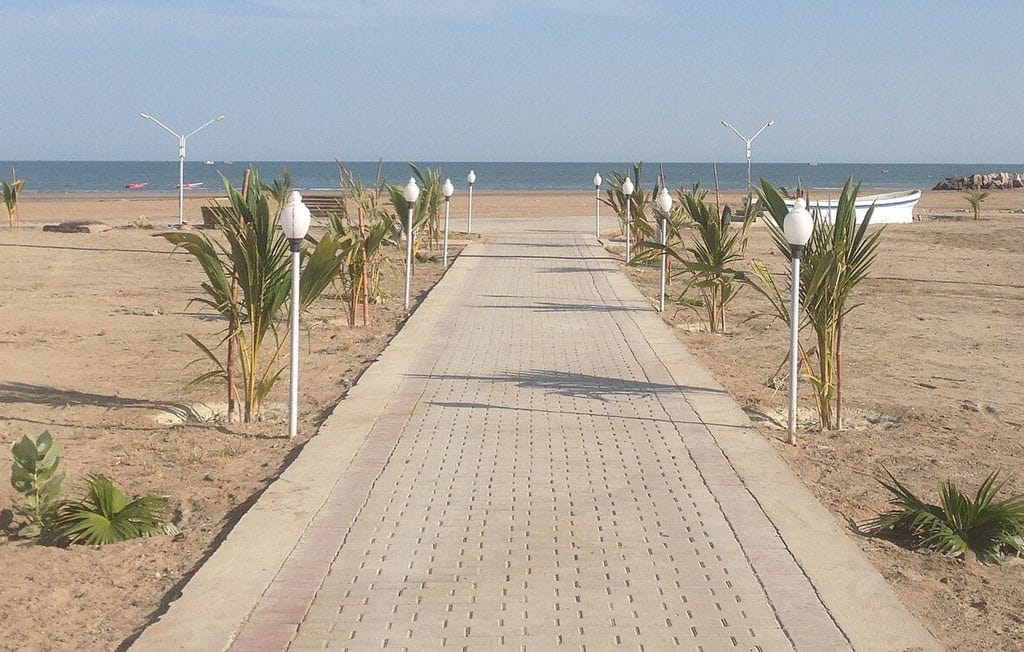
Pasni is strategically located: roughly 70 miles from China-backed Gwadar port, and about 100 miles from the Pakistani-Iranian border. It lies close enough to Iran’s Chabahar port, developed by India Global Ports Limited, that the initiative invites some interesting comparisons and also demonstrates the ways in which Pakistan and India continue to use infrastructure as a critical technology of geo-politics. As such given the proximity to competing infrastructure projects the Pasni plan may be understood as a balancing move by Pakistan in the region’s intensifying infrastructure diplomacy.
The Financial Times stated that:
Pasni’s proximity to Iran and Central Asia enhances US options for trade and security . . . Engagement at Pasni would counterbalance Gwadar . . . and expand US influence in the Arabian Sea and Central Asia,” according to the blueprint.
But despite the clear appeal for DC, access to supply chains for critical minerals, enhanced influence in the Arabian Sea, and a counterweight to Chinese Belt and Road investment, the future of Pasni remains uncertain. Islamabad has since clarified that discussions have been exploratory with no formal agreement has been reached (perhaps to assure Chinese partners worried about the future of CPEC).
For the US, agreeing to such a deal would carry trade-offs the reward of greater resource security and regional influence must be weighed against concerns over governance, local stability in Baluchistan, and the optics of aligning closely with Pakistan’s military establishment. For Pakistan, the deal offers an opportunity to diversify partnerships and revenues, but success depends on careful navigation of regional and global rivalries, infrastructure challenges, and political risk.
Russia’s growing presence in Africa’s infrastructure with Sudan investments
Russia has stepped up its involvement in Sudan, unveiling a multi-pronged infrastructure investment initiative as part of a broader deal between Moscow and Khartoum. As Russia’s Pivot to Asia reports;
On September 24, at a meeting of the intergovernmental commission on trade and economic cooperation, Russia and Sudan signed a memorandum on joint work in the transport sector, which involves the development of measures to modernize and re-equip railway systems, seaports, and airports and ensure the safety of civil aviation and ship navigation. The central banks of both countries have also agreed to cooperate in the field of training banking specialists.
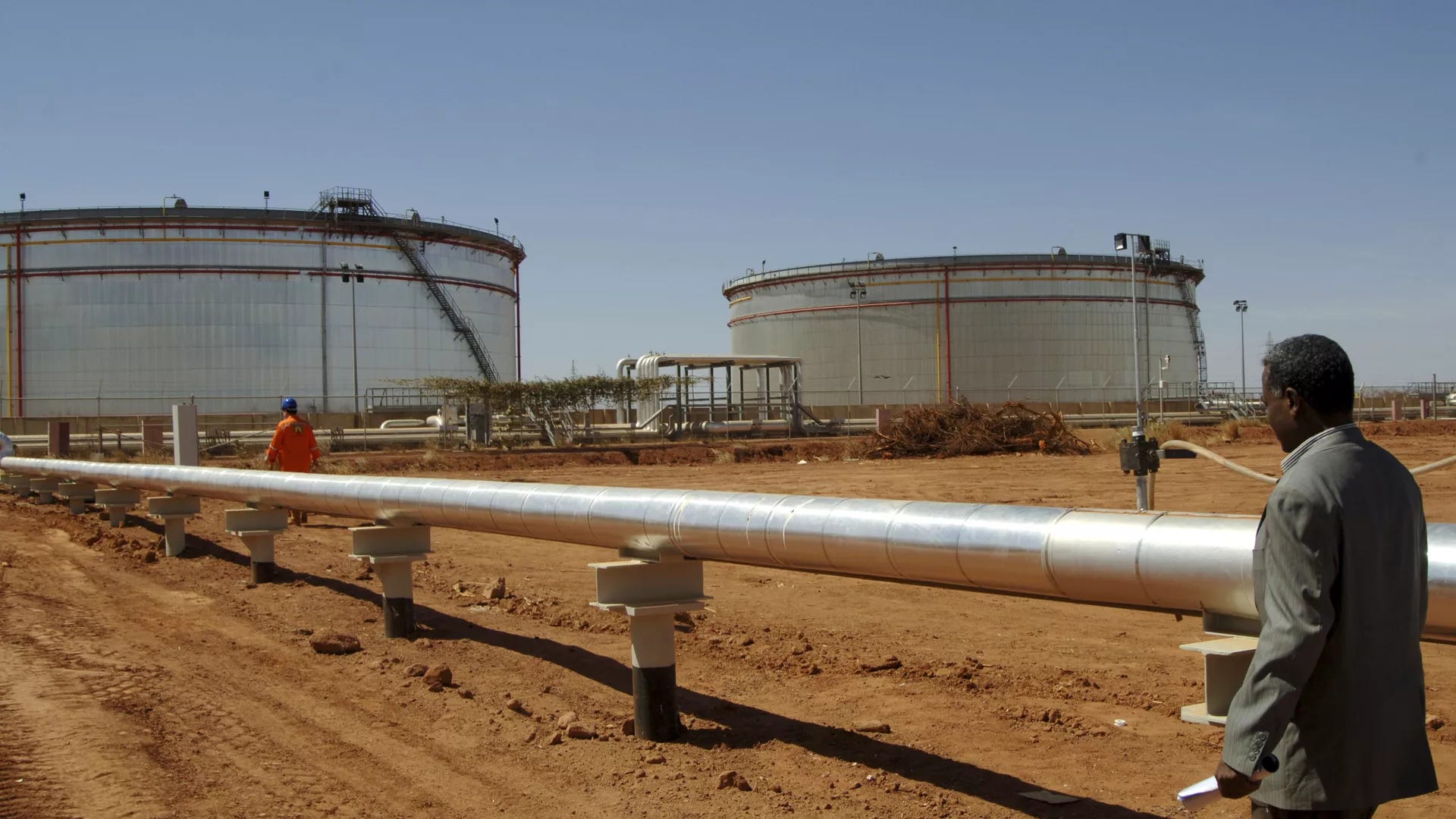
Central to the plan is enhancing Sudan’s infrastructure damaged by years of internal conflict caused by the conflict between the Government and the UAE backed RSF Militia. A key feature is the modernisation of railway lines and road networks, including proposals for toll roads and urban transit expansion. Russian engineering firms will also supply turbines and modernise hydropower plants, notably at Merowe, Roseires, Sennar and Setit. Electricity generation, which hinges heavily on these plants, is expected to receive a substantial boost. Another major component involves energy sector collaboration: Russia is expected to invest in oil exploration, especially in zones deemed safe from the fighting and is participating in plans to build or renovate power plants, strengthen the national grid, and extend electricity access into rural areas.
Strategically, the deal also includes a Russian naval presence on Sudan’s Red Sea coast. Sudan’s foreign minister confirmed that an understanding has been reached for a naval base near Port Sudan, following a long-delayed agreement first signed in 2020. Sudanese officials have hailed the partnership as vital for post-war reconstruction and economic recovery. By contrast, observers warn that such deep Russian involvement raises concerns amid its role in Africa as a key supplier of weapons and private armies as part of its (in)security led diplomacy. The agreement also reflects Moscow’s effort to expand influence in the Horn of Africa.
2. Featured Image: Logistics City
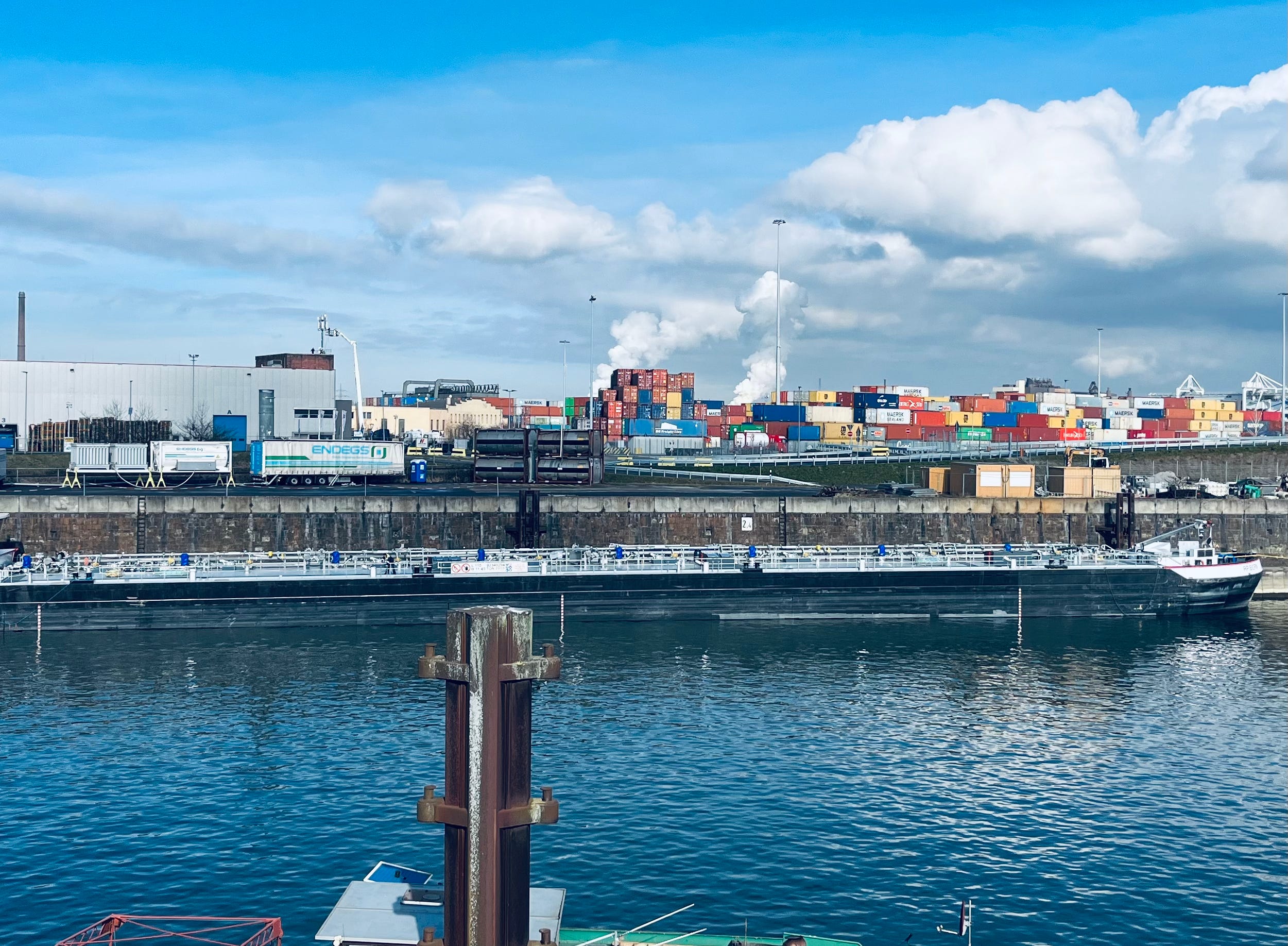
Duisburg is the largest inland waterway port in the world and has undergone rapid expansion in recent years. The city has also become a focus for global media attention given the operation of the China-Europe Railway Express which has facilitated over 100,000 journeys since its operation began in 2014 and the subsequent attempts made by the city to position itself as ‘Germany’s China City’. In recent years Duisburg has increasingly tried to reinvent itself from an industrial to a logistical city.
(Image: J Silver)
3. Global Infrastructure on Film
Logistics, or Logistics Art Project, is a 2012 Swedish experimental film conceived and created by Erika Magnusson and Daniel Andersson. At 51,420 minutes (857 hours or 35 days and 17 hours), it is the longest film ever made. In 2008, Erika Magnusson and Daniel Andersson asked themselves where modern electronic gadgets come from. They conceived the idea to follow the production cycle of a pedometer in reverse chronological order from end sales back to its origin and manufacture. The route of the journey commenced in Stockholm, then proceeded through Insjön, Gothenburg, Bremerhaven, Rotterdam, Algeciras, Málaga, and finished in Shenzhen at the manufacturer in Bao’an. Funding was provided by the Innovativ Kultur Foundation and Kulturbryggan. The project was filmed in real time during a trip to and in locations at a factory, following the route of the product’s manufacture from the store in Stockholm where it was purchased to the factory in China where it was manufactured
4. New Academic Papers on Global Infrastructure
Featuring a selection of new academic papers covering various types of scholarship on global infrastructure:
China’s Investment in Hambantota Port: A Critical Analysis of the Debt-Trap Narrative by Pradeep Rathnayake in Maritime Security and Strategy
The article evaluates the claim that China intentionally trapped Sri Lanka in debt problems through its Belt and Road Initiative (BRI). The article recognizes Sri Lanka’s financial problems but argues that the “debt-trap” narrative does not accurately represent the intricate relationships between domestic choices and international economic factors and strategic goals. The paper investigates different viewpoints regarding Chinese investment and the geostrategic effects of the Hambantota Port project and the historical development of Sri Lanka-China relations. The research establishes that Chinese loan strategies do not solely explain Sri Lanka’s debt problems because the country faces challenges from poor investments choices, corruption and lack of transparency. The report shows Sri Lanka maintains control over its economic direction by improving governance and accessing diverse funding sources and regional partnerships despite Chinese loan concerns.
Temporalities of infrastructure: An ethnographic study of rural road building, spectral mining, and good living by Chantelle Alena Falconer and Polina Baum-Talmor in Environment and Planning D: Society and Space
We examine how citizens and the state negotiate infrastructure projects using the concept of temporal incongruence. We consider infrastructures in a plural sense, following several projects in Andean, Ecuador, a region known for challenging roads and a history mining exploration and resistance. We set these layered infrastructure projects in the context of the postneoliberal state, an era characterized by the building of unprecedented mega-infrastructure as a way of fostering human wellbeing. The introduction of the political value, buen vivir (good living) set the stage for the shift in infrastructure temporality by creating a political and economic environment that prioritizes human and ecological well-being. By juxtaposing the state-led approach to infrastructure with people’s responses, we tease out temporal incongruence. We found that people’s responses to infrastructure projects are closely tied to their ability to meet their immediate needs and ensure the well-being of people and nature.
The Trans-Caspian Corridor – Geopolitical implications and transport opportunities by J. Rentschler, A. Reinhardt, R. Elbert, D. Hummel in Journal of Transport Geography
Recent geopolitical developments, including the Russia-Ukraine war, the US-China trade war, and China’s Belt and Road Initiative, have significantly altered the transportation landscape of Central Asia. Traditional corridors like the Trans-Siberian Corridor through Russia have become less viable, accelerating the rise of new alternatives, such as the Trans-Caspian Corridor (TCC). This corridor, connecting Asia and Europe via Kazakhstan and the Caspian Sea, has emerged as a geopolitical tool for nations seeking to diversify trade routes and reduce dependency on the traditional maritime trade route and Russian influence. This study investigates the TCC, which remains largely underexplored in academic research. Employing an inductive qualitative research approach, we conducted 14 in-depth interviews with logistics companies and political authorities from Central Asia and Europe. Our analysis identified five key stakeholder groups and their geopolitical codes in shaping the TCC amid a shifting geopolitical context. We also examined five areas of strategic interest that drive the corridor’s development: current and lasting interest, infrastructure and equipment, standardization and digitization, cooperation and coordination, and spillover effects.