
Global Corridor #11
A war on water is a war on life, damaged oil and gas infrastructures, the 'blockade', UAE air hub's uncertain future, more reading

Dear Readers - welcome to the Global Corridor newsletter. This week I carry on with a focus on the global infrastructural geographies of the illegal US/Israeli attack on Iran.
I should have mentioned in the last newsletter that the pivotal reference point for approaching these infrastructural geographies is the landmark book, Cities Under Siege: The New Military Urbanism by Stephen Graham, essential reading! Building on Stephen’s work as a foundation I’ve tried to comprehend the scale, speed and intensity of this war of/on infrastructure and logistics through the various kinds of sectors being mobilised, targeted and damaged.
1. A War on Water is a War of Life
Sunday witnessed the war entering a deadly new phase in which the targeting of desalination plants threatens the functioning of vital civilian infrastructure networks that are vital to sustaining everyday life across the region. The FT suggest’s that “Gulf desalination plants emerge as new flashpoint in Iran war.” Iranian Foreign Minister Araghchi stated that:
The US committed a blatant and desperate crime by attacking a freshwater desalination plant on Qeshm Island. Water supply in 30 villages has been impacted. Attacking Iran's infrastructure is a dangerous move with grave consequences. The US set this precedent, not Iran.
It has been reported that the plant on Qeshm Island was targeted by the U.S. Army using a PrSM tactical short-range ballistic missile launched by means of ATACMS from Bahrain. In response, it seems the Iranian Army Ground Forces targeted the water desalination plant in Bahrain.
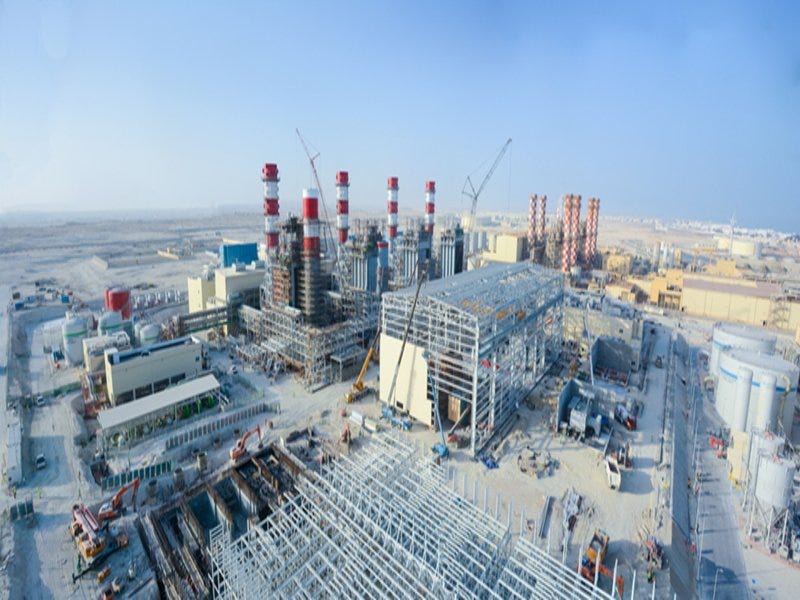
Desalination is critical for water security in the Gulf, with Kuwait (90%), Bahrain (60%), and Saudi Arabia (70%) relying on it for the vast majority of their potable water, while the UAE depends on it for 42%. The GCC region accounts for roughly 40-60% of global desalination capacity. There’s a useful academic overview of desalination in the Gulf that offers some interesting technological histories. And a (pre-attack) guide to the impact of these going off-line. As Foreign Policy suggests “Striking desalination plants risks a spiral of deadly retaliation.” The Guardian explains why the CIA have previously assessed:;
Although the loss of a single plant could be handled, “successful attacks on several plants in the most dependent countries could generate a national crisis that could lead to panic flights from the country and civil unrest”. And the greatest threat to the region’s water supply? “Iran.”
International Humanitarian Law strictly prohibits targeting water infrastructure indispensable to civilian survival. Under the Geneva Conventions (Article 54, AP I), it is illegal to destroy, remove, or render useless water supplies, installations, and works. Violations, including the use of water as a method of warfare, constitute war crimes. Like with the genocide in Gaza, the targeting of water networks is a war on life itself.
2. Assessment of Oil and Gas Infrastructure Targeted
As well as the attacks on water infrastructure there has also been debate about whether attacks on oil and gas infrastructure are allowed under international law. Experts in the Conversation stated that:
International humanitarian law does not categorically prohibit attacks on energy infrastructure. But it does require careful, context-specific assessments of the military relevance of an energy facility and the possible civilian harm caused by its destruction.
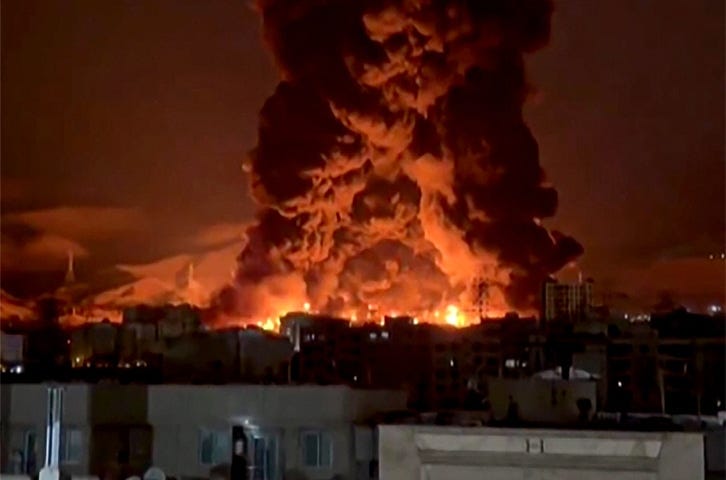
The images out of Tehran this week after Israeli bombing showed the deadly toxicity of these kinds of infrastructural breakdowns and suggests that when these attacks take place in dense urban regions they should indeed be understood as causing massive civilian harm and therefore illegal under humanitarian law. The BBC has a good explainer of “Why air strikes on Tehran oil facilities are causing black rain.”
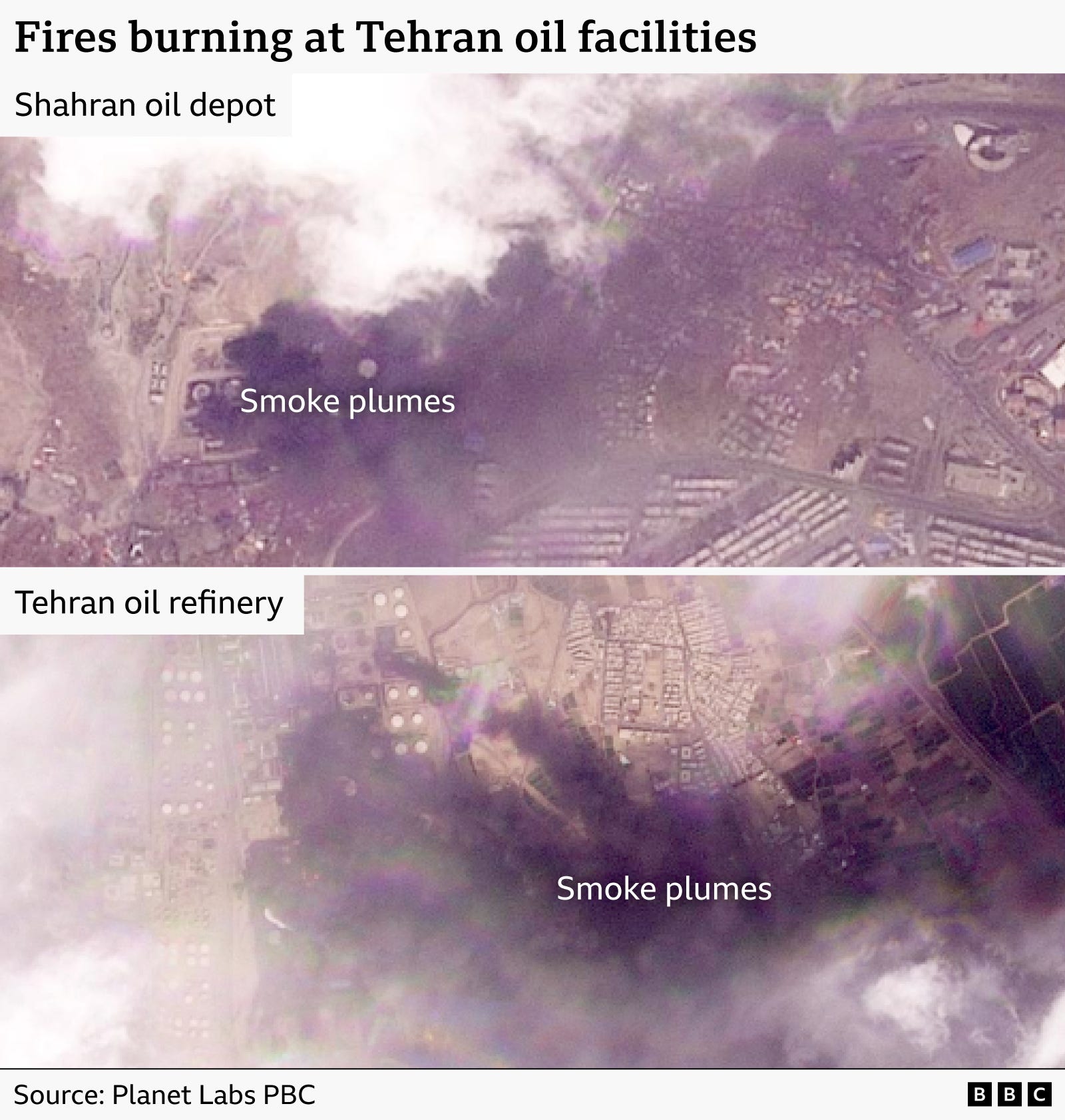
It goes on to assess the health outcomes of this kind of attack:
The head of the WHO has already expressed “great concerns” for the impacts of the conflict on people’s health. Damage to oil facilities “risks contaminating food, water and air – hazards that can have severe health impacts especially on children, older people, and people with pre existing medical conditions”, said Dr Tedros Adhanom Ghebreyesus.“These very intense exposures of particulates have immediate impacts on the lungs,” added Anna Hansell, professor of environmental epidemiology at the University of Leicester. “But they can also have quite long lasting effects over many years afterwards, on both respiratory systems and increasing cancer risk.”
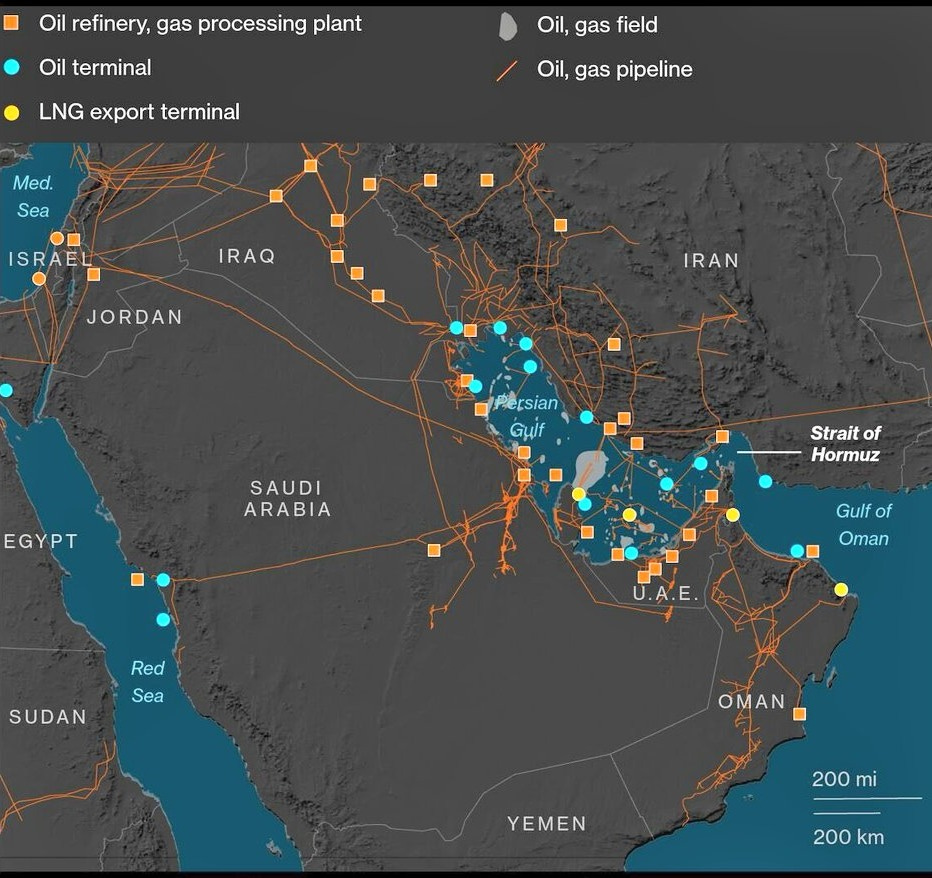
Given the Persian Gulf hosts a massive global concentration of oil and gas infrastructure (as this map below from Bloomberg makes clear), I’ve tried to put together a list of the infrastructure that has been attacked since the war began, even while much of the information remains sparse, especially in relation to claims by Iran’s Islamic Revolutionary Guard Corps (IRGC) of an attack on the Haifa refinery in Israel.
i. Bapco Energies' Bahrain. Bapco Energies has declared force majeure on operations at its Sitra refinery following a second Iranian strike in a week. On Monday, 9 March 2026, an Iranian drone attack ignited a significant blaze at the newly expanded 405,000 b/d facility, injuring at least 32 civilians in the adjacent residential area. This follows a missile strike on 5 March that previously damaged the complex
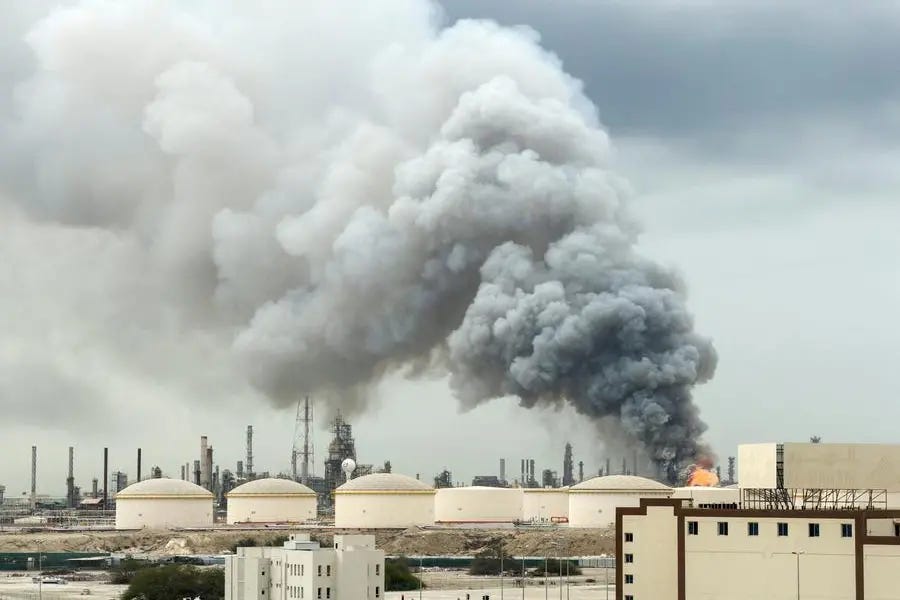
ii. Mina Al-Ahmadi Refinery, Kuwait. An attack on 2 March targeted the Mina Al-Ahmadi Refinery, Kuwait’s largest refining complex and a central node in the country’s export infrastructure. The facility, operated by Kuwait National Petroleum Company, has a processing capacity of about 466,000 barrels a day. Projectiles believed to be drones triggered air defences, with debris falling inside the refinery perimeter and injuring two workers. Authorities said core processing units were not significantly damaged and operations continued. Located about 40km south of Kuwait City, the refinery is a key supplier of refined fuels to regional and international markets.
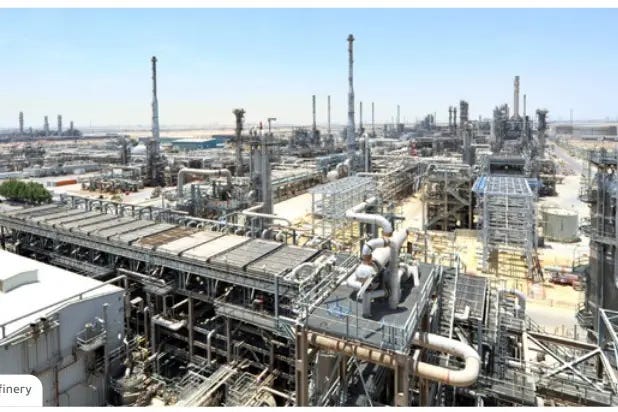
iii. Ras Tanura, Saudi Arabia. An attack on 2 March targeted the Ras Tanura Refinery, one of the largest refining complexes in the Middle East and a key pillar of Saudi export infrastructure. The facility, operated by Saudi Aramco, has a refining capacity of about 550,000 barrels per day and sits alongside the kingdom’s principal crude export terminal on the Gulf coast. Drone strikes reportedly triggered a fire and prompted a temporary shutdown of parts of the complex. Authorities moved to contain the blaze and assess damage.
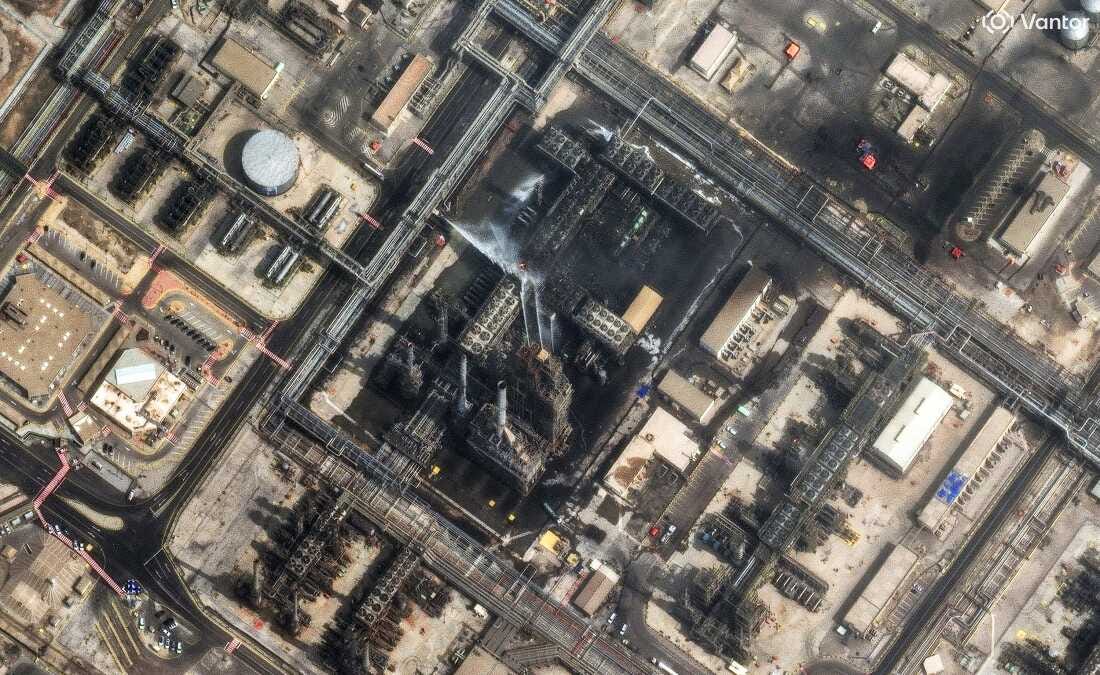
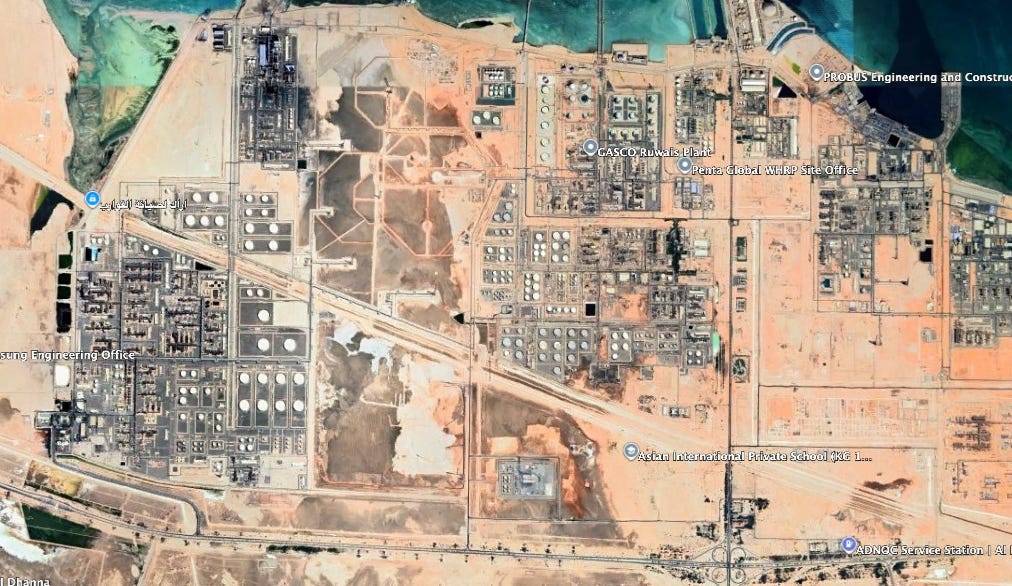
iv. Ruwais Refinery, UAE. A drone attack on 10 March triggered a fire at the Ruwais Refinery, part of the vast Ruwais Industrial Complex in the United Arab Emirates. Operated by Abu Dhabi National Oil Company, the refinery has a processing capacity of about 922,000 barrels per day, making it the largest refining complex in the Middle East. Authorities said the drone strike ignited a blaze within the industrial zone but reported no injuries. As a precaution, parts of the facility were shut while officials assessed damage and worked to stabilise operations at the strategically important export hub.
v. Fujairah oil depot, UAE. A drone attack on 3 March 2026 triggered a fire at the Fujairah Oil Industry Zone, a major global oil storage and bunkering centre on the UAE’s eastern coast. Debris from a drone intercepted by UAE air defences fell inside the industrial zone, igniting a blaze at storage facilities within the port area. Authorities in Fujairah said the fire was quickly contained and no injuries were reported. The hub, which holds roughly 42m cubic metres of crude and refined products storage capacity, is one of the world’s largest oil storage sites and the third-largest marine bunkering port globally. Perhaps most importantly, Fujairah serves as a key export and refuelling hub designed to bypass the Strait of Hormuz, underlining its importance to regional energy logistics. Temporary suspensions of tank loading and bunkering activity were reported following the incident.
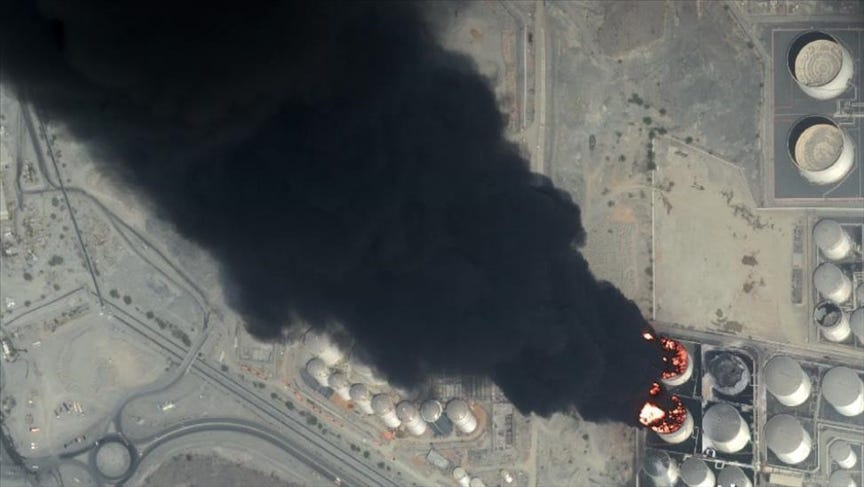
x.. Iran’s oil infrastructure. Many Iranian fuel and refining sites have been struck, particularly around Tehran. On 7–8 March 2026, air strikes hit multiple oil depots in the capital, including the Shahran Oil Depot in western Tehran and the Aqdasiyah Oil Depot in the north-east of the city. Fires broke out across storage tanks and tanker yards, with fuel leaking onto nearby streets while emergency services worked to contain the blaze.
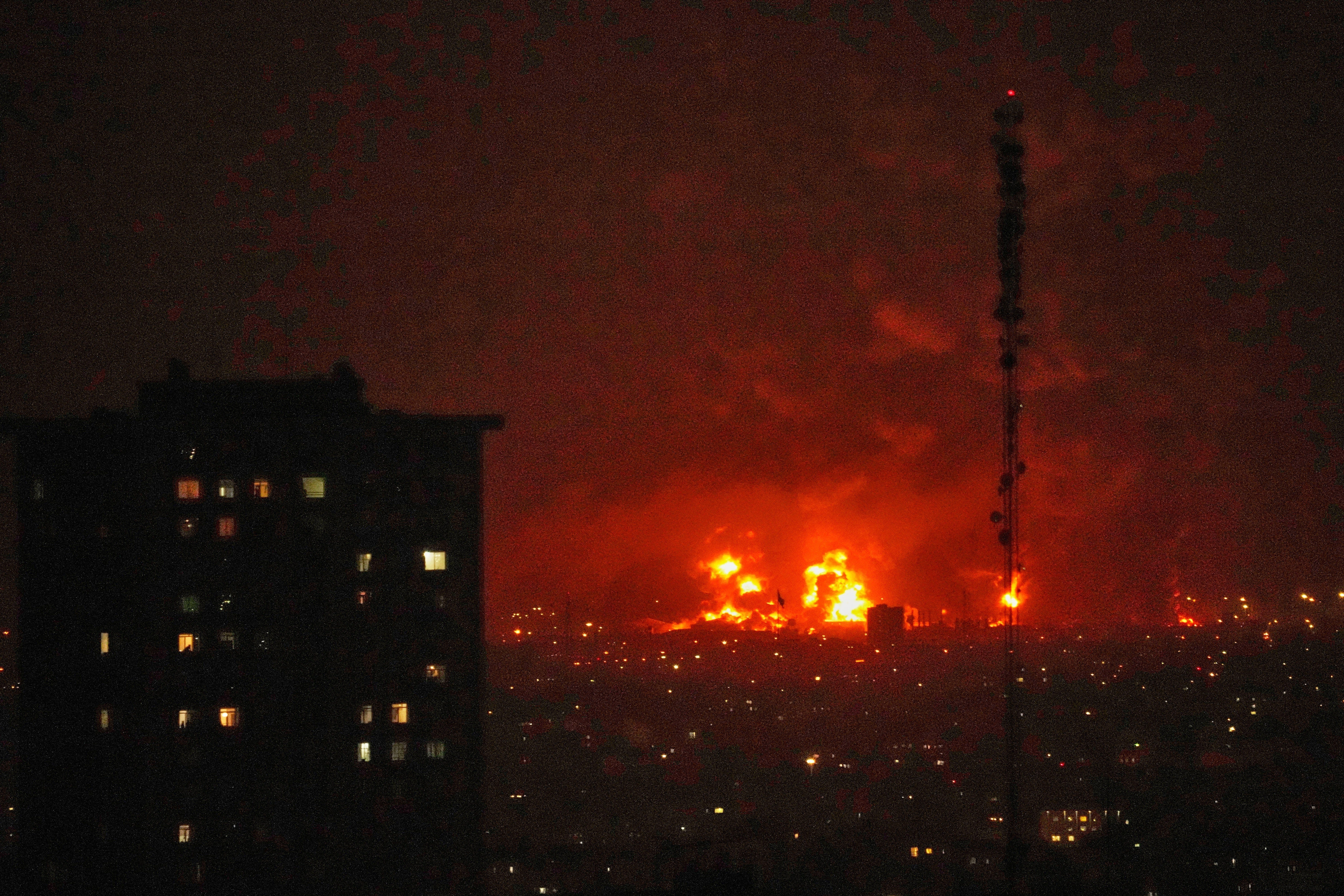
The same wave of strikes also targeted the Tehran Oil Refinery south of the capital, one of Iran’s main refining centres supplying fuel to the Tehran metropolitan area. The refinery processes roughly 225,000 barrels per day and forms a critical part of Iran’s domestic fuel distribution network.On 7 March 2026, Israeli and US strikes also reportedly hit the Tondgouyan Oil Refinery in Shahr-e Rey, alongside nearby oil storage facilities. The refinery, with capacity of about 200,000 barrels per day, supplies gasoline, diesel and jet fuel to central Iran. Additional fires were reported at storage facilities in Karaj and Alborz province during the same period, as attacks targeted Iran’s fuel logistics network rather than export terminals.
3. Blockade!
The attacks on oil and gas infrastructure are occurring alongside the bombing of various tankers and ships in the Strait of Hormuz as the BBC has reported:
Among the three cargo vessels that were hit was a Thai-flagged vessel, which was 11 nautical miles north of Oman. A fire broke out on board and the Royal Thai Navy said the 23 crew members were rescued.Iran has claimed responsibility, saying the ship’s crew ignored warnings. The second vessel was a Japanese-flagged container ship that was struck 25 nautical miles off the coast of the United Arab Emirates, sustaining minor damage. A third cargo vessel was hit about 50 nautical miles north-west of Dubai, according to UKMTO.
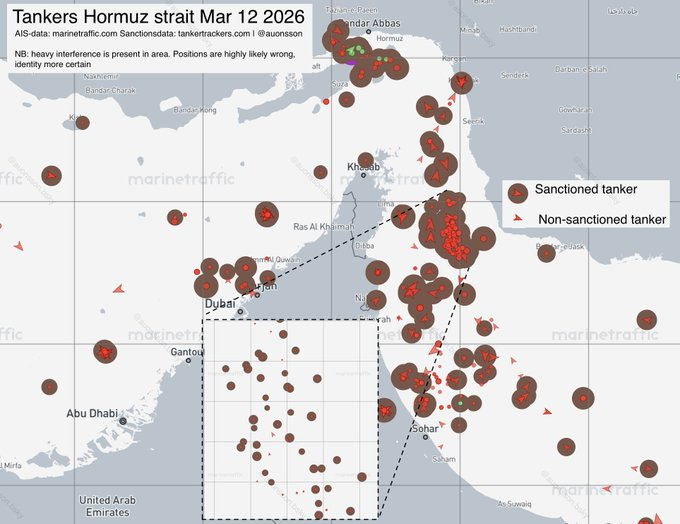
The result is in effect a total Iranian blockade on the Hormuz Strait, as the map below from Tanker Trackers demonstrates and with Al Jazeera reporting:
Iran’s Islamic Revolutionary Guard Corps (IRGC) says it will not allow “a litre of oil” through the Strait of Hormuz as the closure of the key Gulf waterway continues to roil global energy markets during the US-Israeli war on Iran. A spokesperson for the IRGC’s Khatam al-Anbiya Headquarters said on Wednesday that any vessel linked to the United States and Israel or their allies “will be considered a legitimate target”.
There’s already some great analysis I highlighted in the last newsletter exploring the implications of the blockade for the global economy. Some recent analysis includes from financial institutions such as Allianz Global Investors who state that:
For financial markets, the impact depends largely on the duration of the disruption. A sustained supply shortage could keep headline inflation elevated and potentially delay central‑bank easing, although underlying demand remains supported in many economies. Equity market impacts are diverse: energy, infrastructure and defence sectors may benefit, while energy‑intensive sectors face cost pressures.
For an oil industry perspective you can read this from Oilprice.com, this extensive briefing from the Crisis Group for a good overall summary, and this from DW on how the blockade could cause a global food crisis.
I’d encourage reading this academic paper ‘Weaponising the Supply Chain: Yemen’s Blockade and the Contradictions of Maritime Logistics Capital’ from Ashok Kumar who explored the blockade imposed by Yemen to think more about the role of the chokepoint in the global economy and the specific implications in this part of the world. The paper examines:
the 2023–2025 naval blockade imposed by Yemen in the Red Sea. It argues that the blockade's success in disrupting global trade stemmed from the potent confluence of asymmetric military tactics and the structural vulnerabilities inherent within global maritime logistics capitalism. The pursuit of efficiency through carrier consolidation, vessel gigantism, and just-in-time scheduling has created a brittle, hyper-concentrated system with minimal slack, concentrating risk at infrastructural chokepoints such as deepwater ports and mega-hubs. By examining the interplay between Yemen's blockade against the genocide in Gaza and its targeting of these logistical frailties, this paper contributes to critical geographies of infrastructure and logistics. It demonstrates how the very architecture of global capital circulation can become a terrain of effective struggle for non-state actors, revealing the central contradiction between capital's drive for logistical efficiency and its systemic vulnerability to disruption.
4. Uncertain future for UAE’s global air hub?
Few countries leveraged aviation as strategically as the United Arab Emirates as part of economic development planning. Over the past four decades, it has transformed itself from a peripheral stop on long-haul routes into one of the world’s most important air transit hubs. The rise began in the 1980s when Emirates was established by the government of Dubai to capitalise on its geographic position between Europe, Asia and Africa. The model was simple but powerful: funnel passengers through a central hub at Dubai International Airport and offer seamless long-haul connections. Soon, Abu Dhabi followed with Etihad Airways, expanding the country’s aviation ambitions.Heavy investment in infrastructure from Al Maktoum International Airport to new terminals and logistics zones has reinforced the UAE’s position in global aviation but that now seems like the property sector as under-threat. Business Insider reports
Anna Abelson, a professor at New York University, told Business Insider last week that if Dubai loses its reputation as a "safe haven" and "seamless transfer hub," the effects could ripple throughout the industry. Travelers could look for alternative routes, and, depending on the length of the volatility in the region, airlines could change their routes to layover in other cities instead.
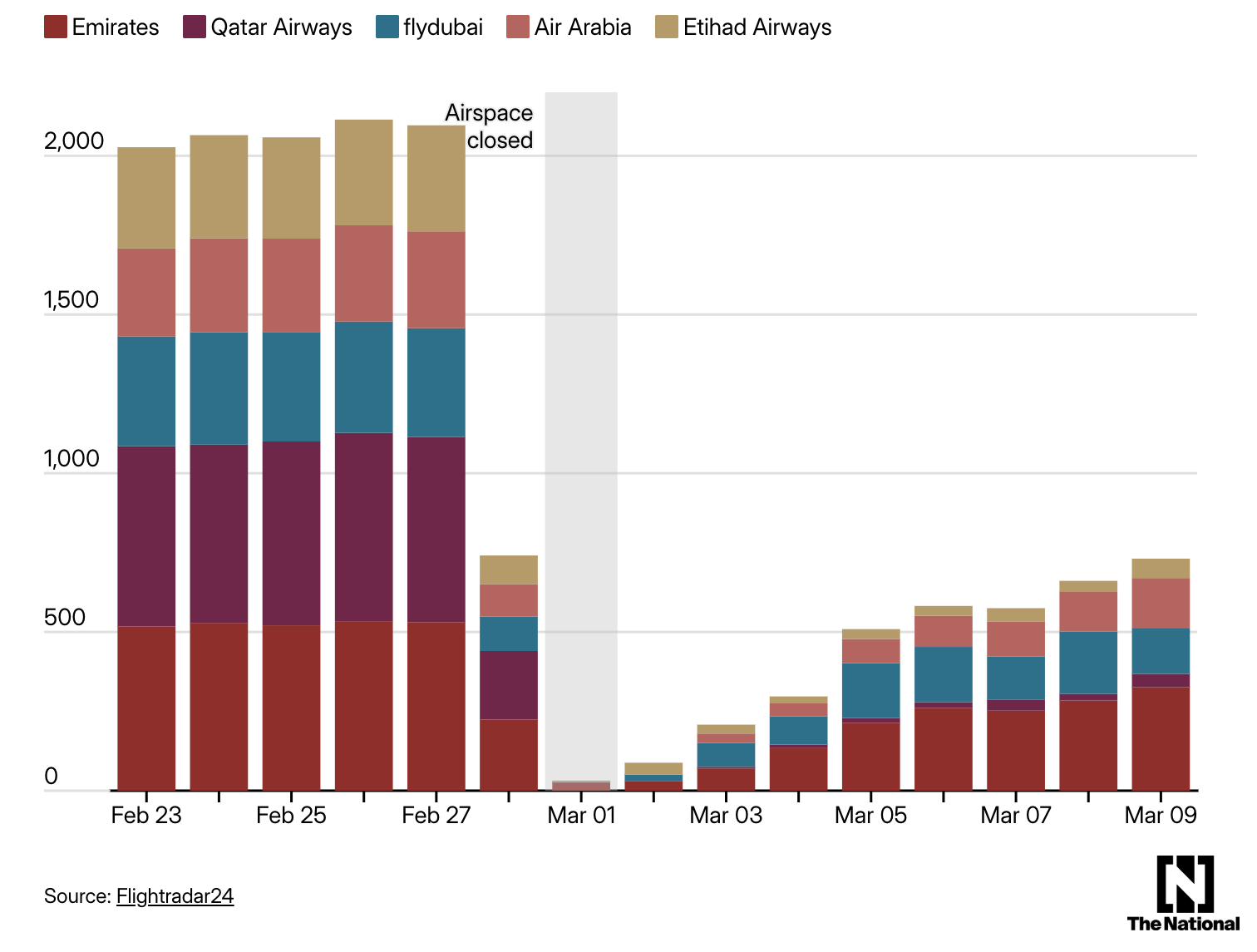
The National report that some Gulf airlines are recovering from last week’s airspace shutdown but other European and US airlines have cancelled services for the foreseeable future. It’s not clear that the UAE can regain this role as a critical centre of the global air industry, as the FT reports.
5. More reading
A well timed release in early March is ‘Chokepoints: How the Global Economy Became a Weapon of War’ by Edward Fishman
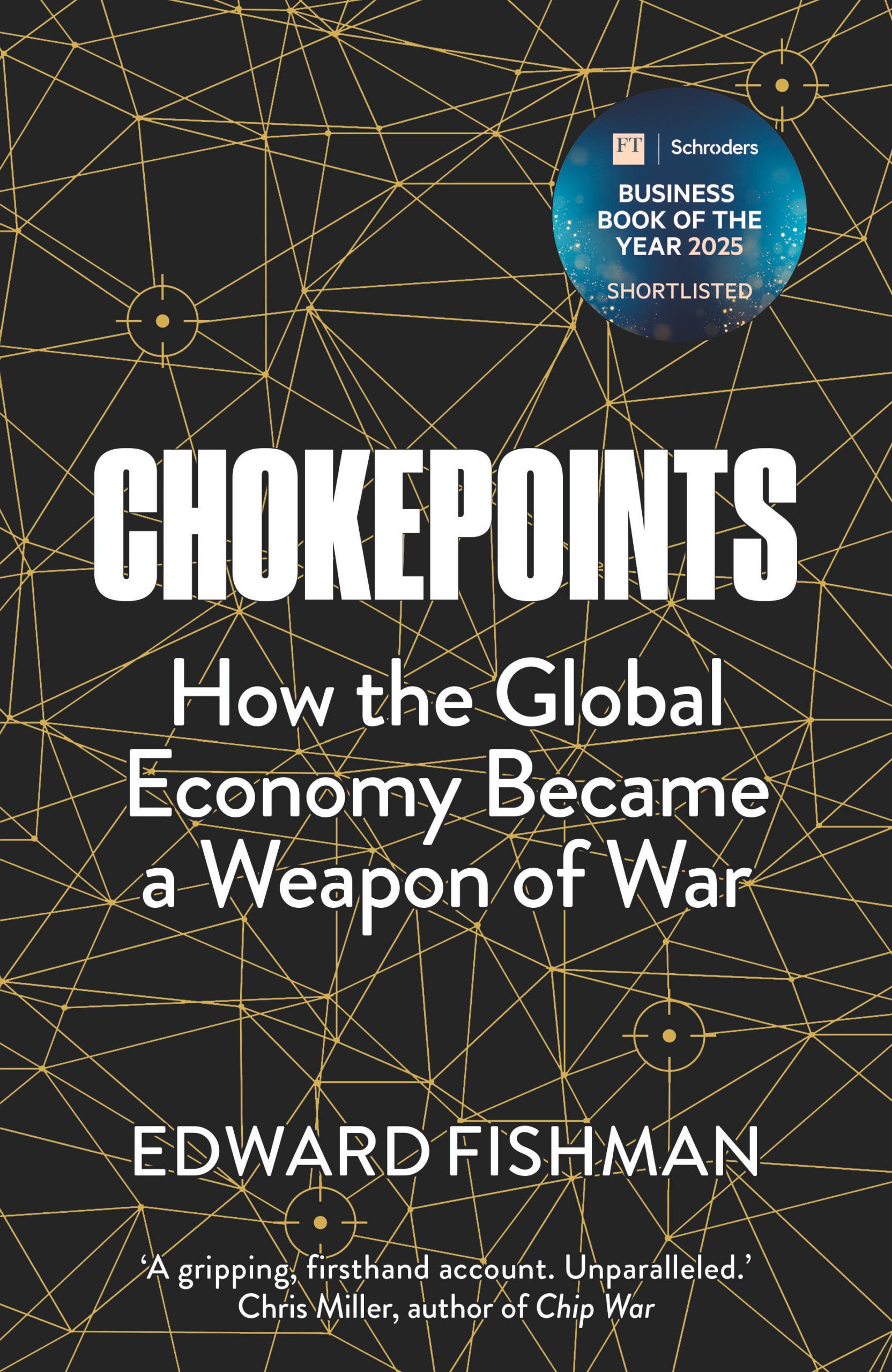
It used to take blockades and sieges to ravage a rival’s economy. Now, a single statement posted online by the US government can bring a nation to its knees.Chokepoints is a gripping behind-the-scenes account of one of the most pivotal geopolitical shifts of our time. Drawing on extensive research, personal experience and interviews with key players, Edward Fishman, a former top US State Department official, takes us deep into the back rooms of power around the world. He reveals how sanctions, tariffs and control over modern-day chokepoints – such as the US dollar, advanced microchip technology and critical energy supply chains – have become the primary weapons of twenty-first-century geopolitics.This is the epic story of how America turned economics into a weapon – and how China, Europe and Britain are now doing the same. Urgent and brimming with rare insight, Chokepoints is the definitive guide to the Age of Economic Warfare.
Behrooz Ghamari’s ‘The Long War on Iran: New Events, Old Questions’
The United States and Iran have been locked in a decades-long standoff, driven by missteps, misunderstandings, and conflicting ambitions. This book, from a prominent Iranian authority, delves into the complex dynamics behind this ongoing conflict. It sheds light on why American policies have repeatedly failed to understand the true nature of Iran’s transformations and its role in the Middle East. Drawing on two decades of political analysis, Ghamari explore the history of US intervention in the region, focusing on the enduring sanctions imposed on Iran and the persistent perception of the Islamic Republic as a major obstacle to American power. Despite the repressive policies of the state, Iran has remained a vibrant society with active intellectual, cultural, and social justice movements.
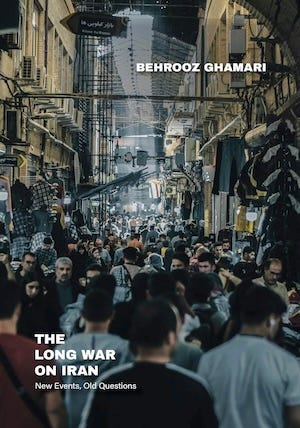
The book examines these internal changes and shifts in Iranian politics. By challenging the conventional image of Iran as a totalitarian regime, Ghamari urges readers to appreciate the country’s diverse society and complex political landscape. He calls for a re-evaluation of how the US engages with Iran, advocating for a more informed, nuanced approach to Middle East diplomacy. At a critical moment when US policy is being reshaped, The Long War on Iran is a timely reminder that, if the US fails to acknowledge Iran’s transformations, both nations will continue to face new events―and the same old questions.